“How do we get our kids to be able to fall in love with school and learn if they can't connect with it because they're asking why am I taking that? Why am I doing this? If we could connect those dots for them, then they can make those changes to their outlook,” said Bernadette Shawanda of Great Lakes Cultural Camps.
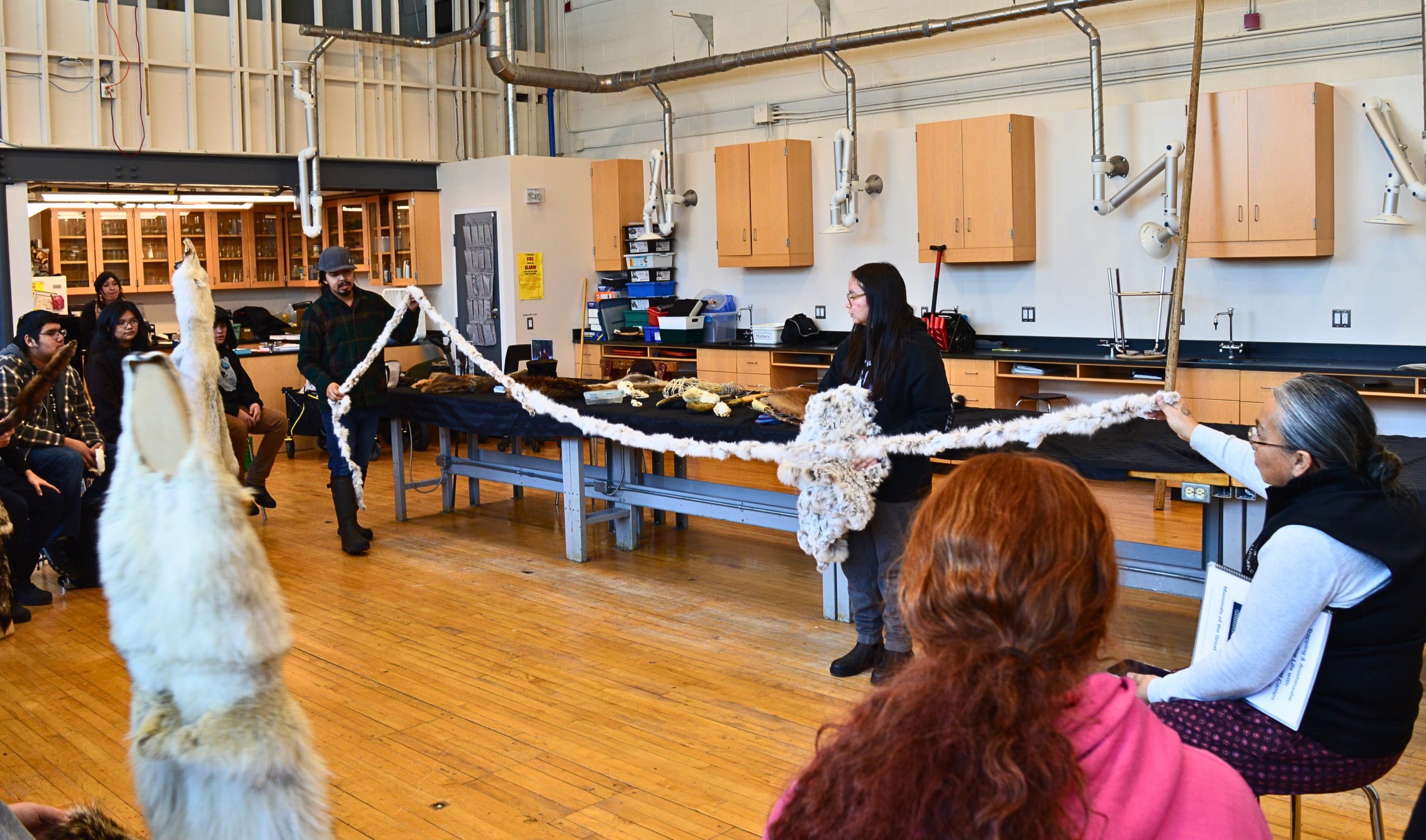
This is the idea at the centre of a land-based learning experience at Chippewa Secondary School (CSS), where students were exposed to traditional Indigenous knowledge and learned about hunting, trapping and fur harvesting.
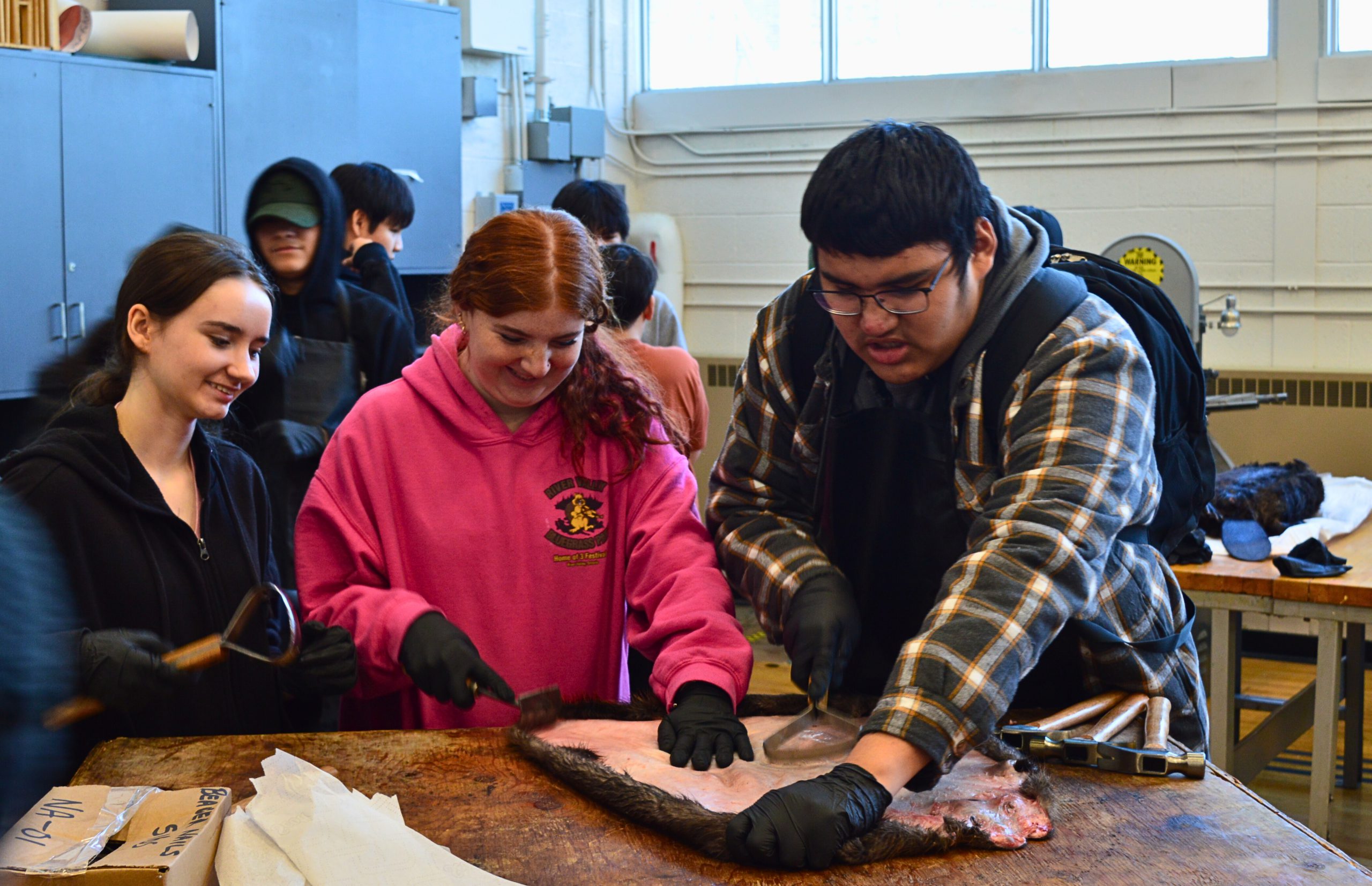
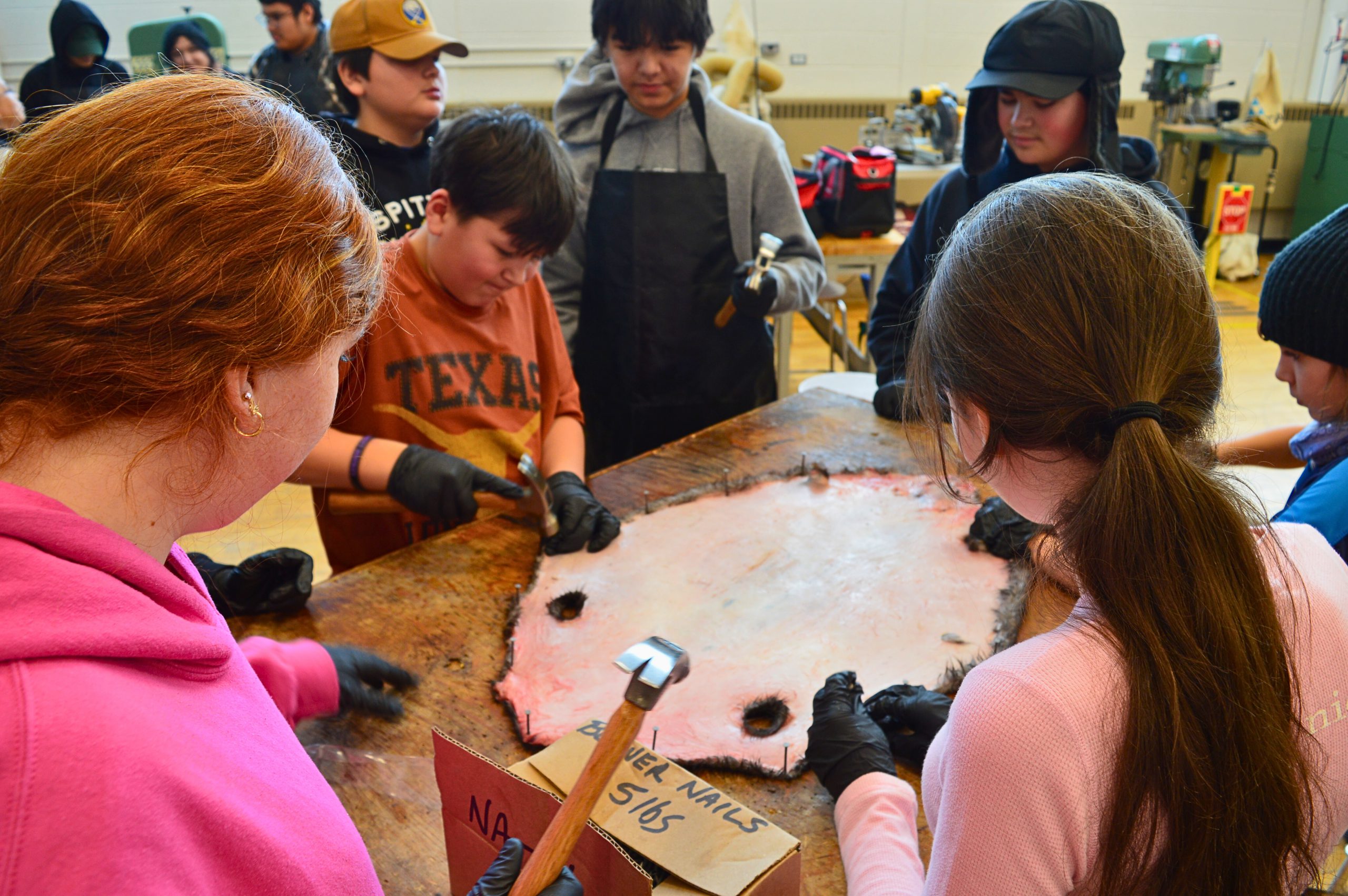
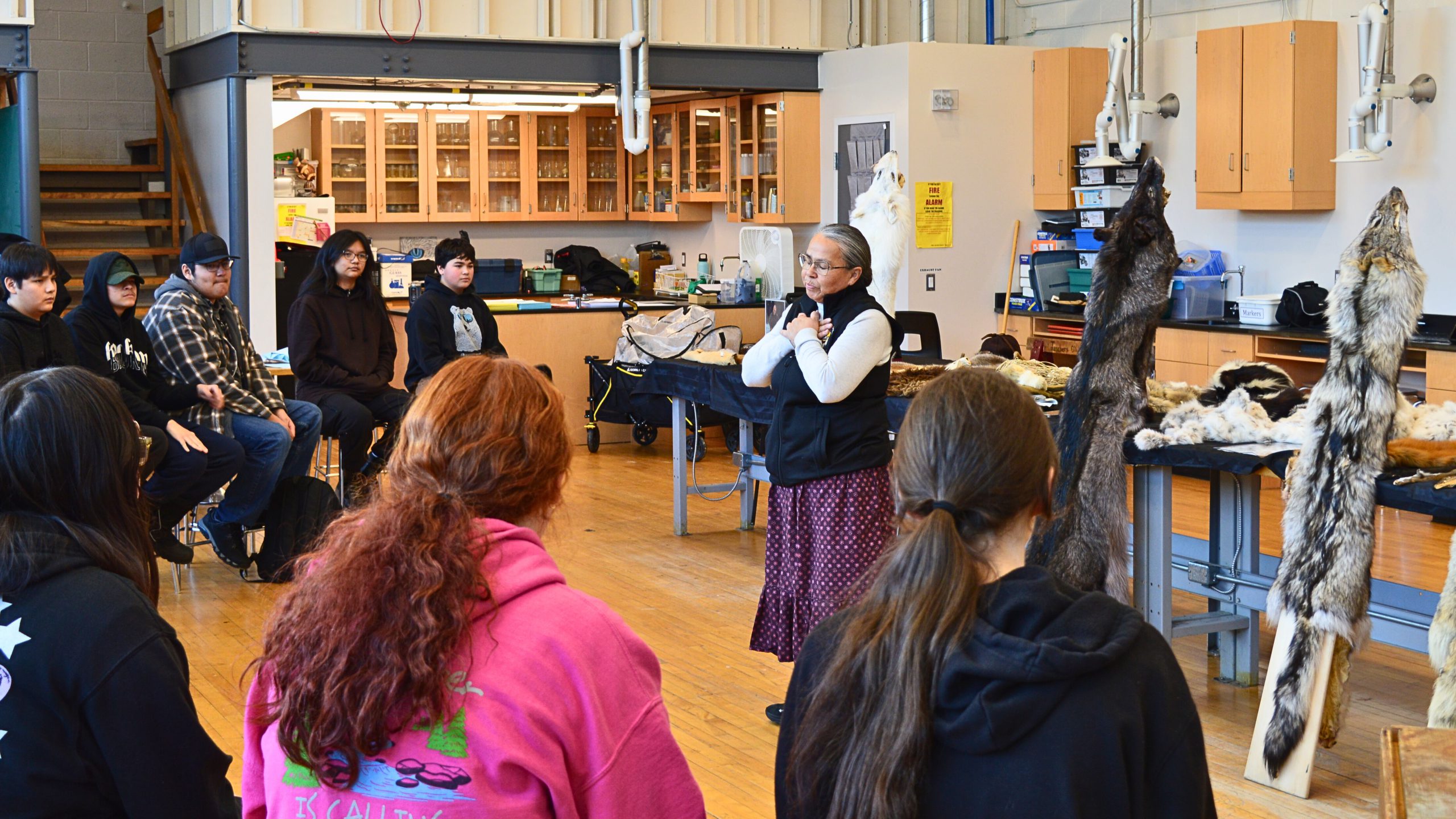
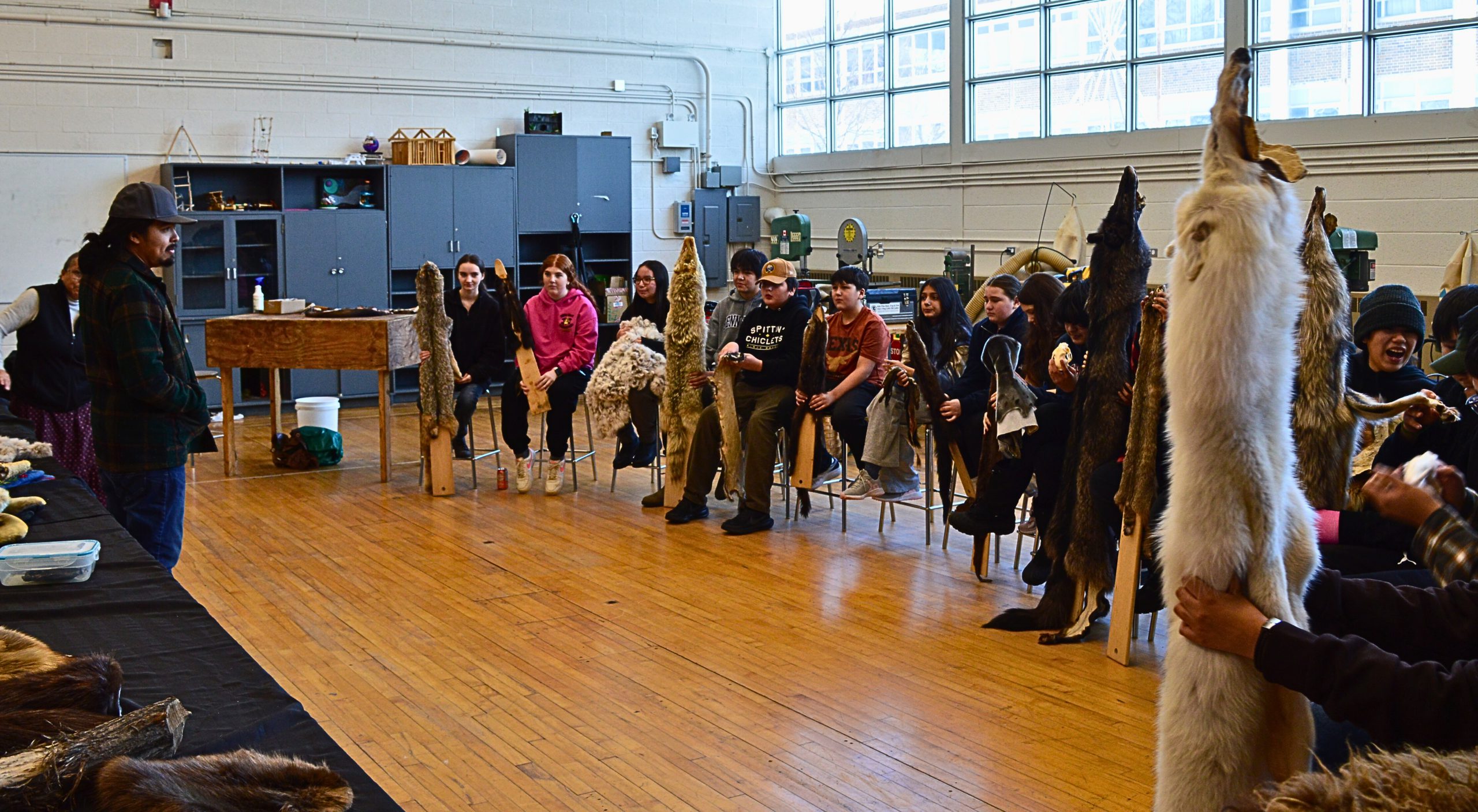
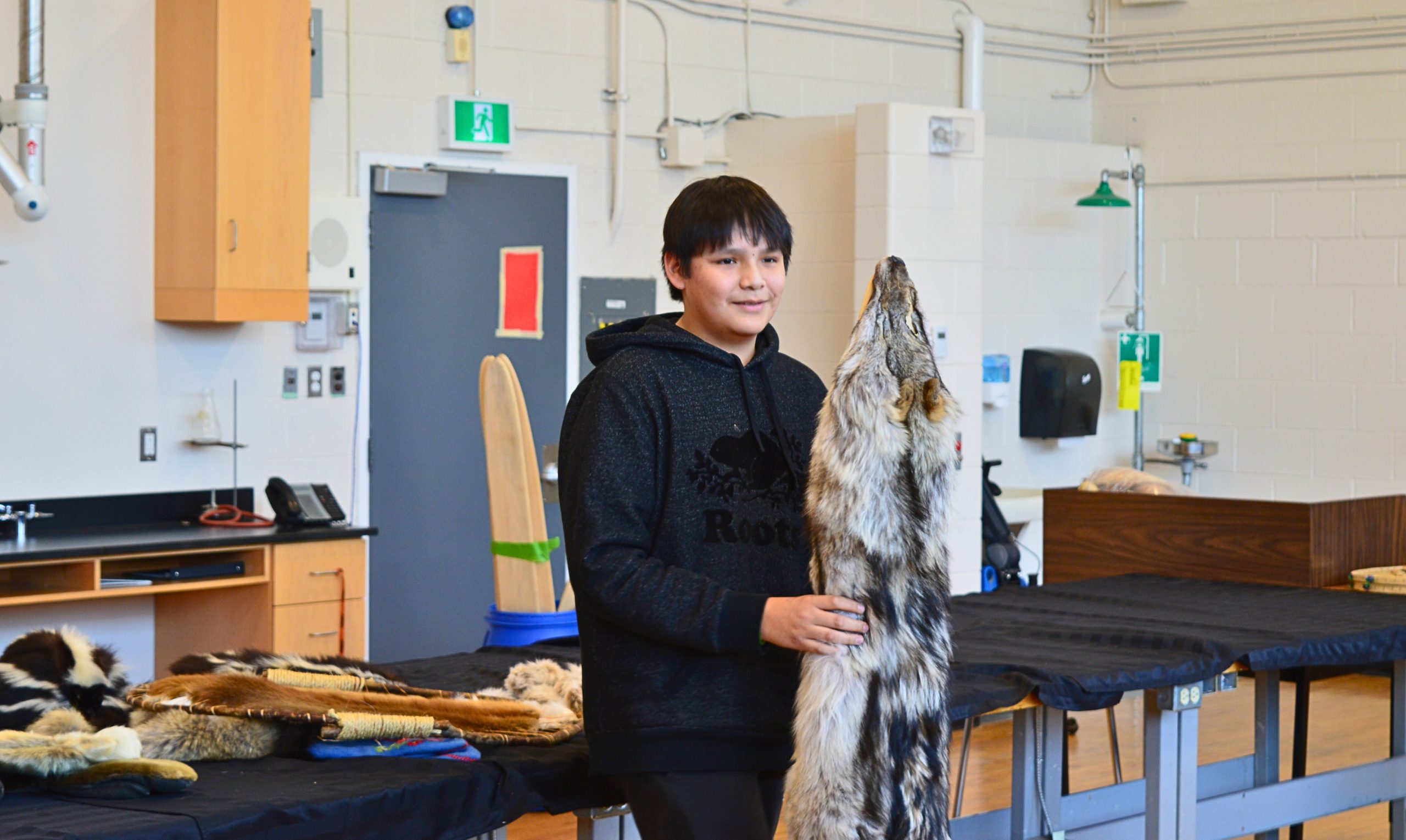
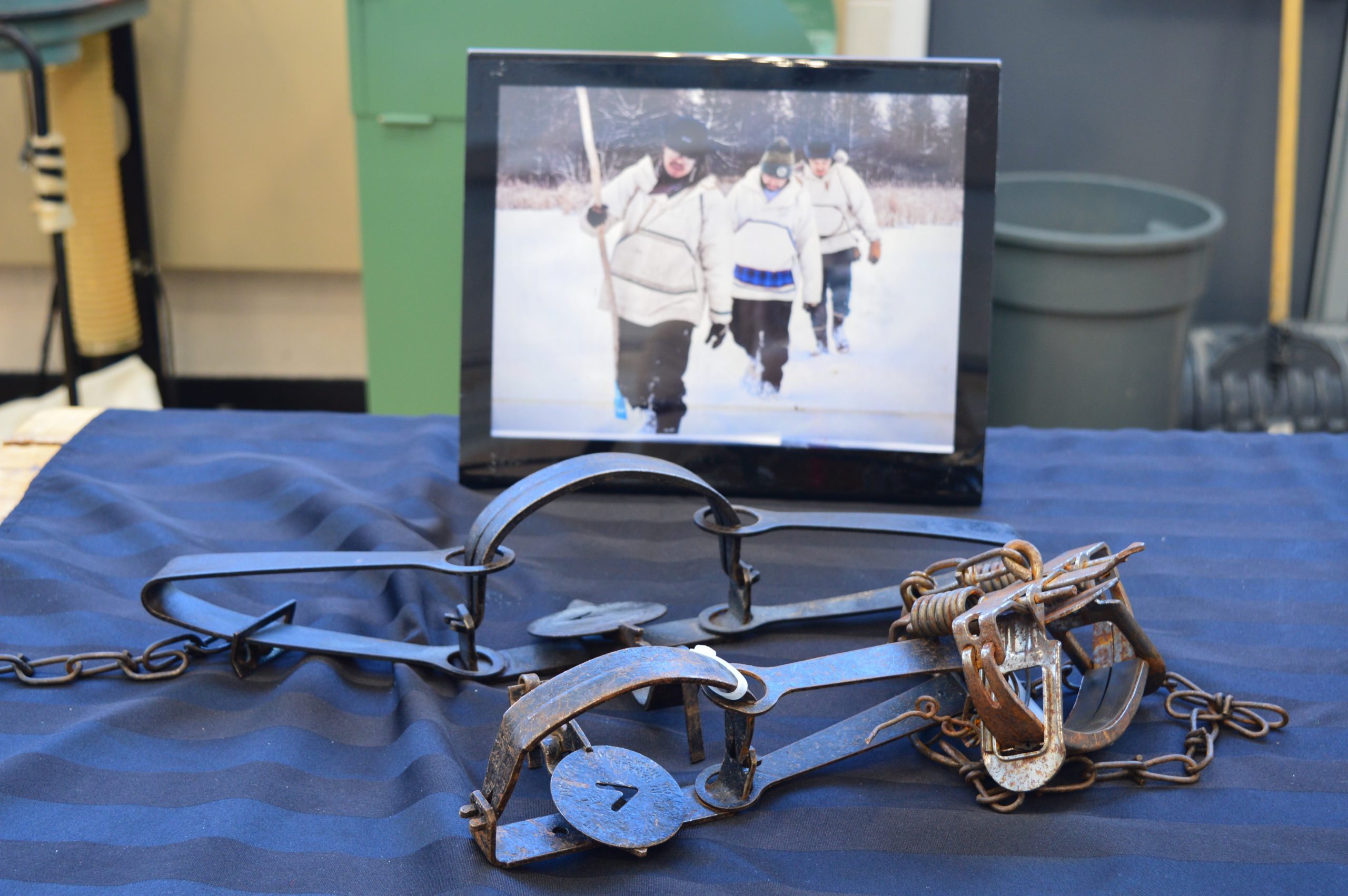
Students were exposed to a wide variety of Canadian fur-bearing animals, learned the Ojibway name for each and their importance in Anishinaabe culture and traditions. They were also shown how the furs were trapped and processed, and had the opportunity to prepare a beaver fur for tanning.
Grade 9 Chippewa student Owen said he is inspired to get outside more and do more hands-on activities.
“My favourite part was learning how to scrape the beaver hide,” Owen said. “It was nice for community-building, experiences and storytelling.”
Jordan, in Grade 7, enjoyed learning about the different types of animals and the traps used to harvest them.
“My favourite part was getting to hold all the animal furs. It reminds me of my Papa, who has a beaver pelt on his wall,” Jordan said. “It made me want to spend more time outdoors, like Ski-Dooing and ice fishing.”
“Having Great Lakes Cultural Camps join us and share their knowledge with students and staff at CSS is a wonderful opportunity. We are grateful for the time they have spent with students and engaging them in learning about amik (beaver) and why Anishnaabeg trap,” Chippewa principal Krista Tucker Petrick said. “Learning from the land is an important part of the curriculum they bring, and we appreciate being able to embed Indigenous knowledge into our everyday learning here.”
“Great Lakes Cultural Camps provides authentic learning and experiences that share Anishnaabe ways of learning, being and doing,” said Kelly Nootchtai Huston, NNDSB Indigenous Education Lead. “The experiences offer all students and staff an opportunity to learn about Anishnaabe culture, traditions and language. We were able to include Grade 6 Ojibwe language learners from Woodland Public School as a transition activity, Indigenous youth from Chippewa Secondary School, and other classes who engaged in learning ahead of time to ensure that the experience is directly linked to the curriculum they are learning about in their classrooms. Our commitment to opportunities like this is directly linked to the Truth and Reconciliation Calls to Action,” said Nootchtai Huston.